

Play Therapy
Child-Centered Play Therapy in Asheville
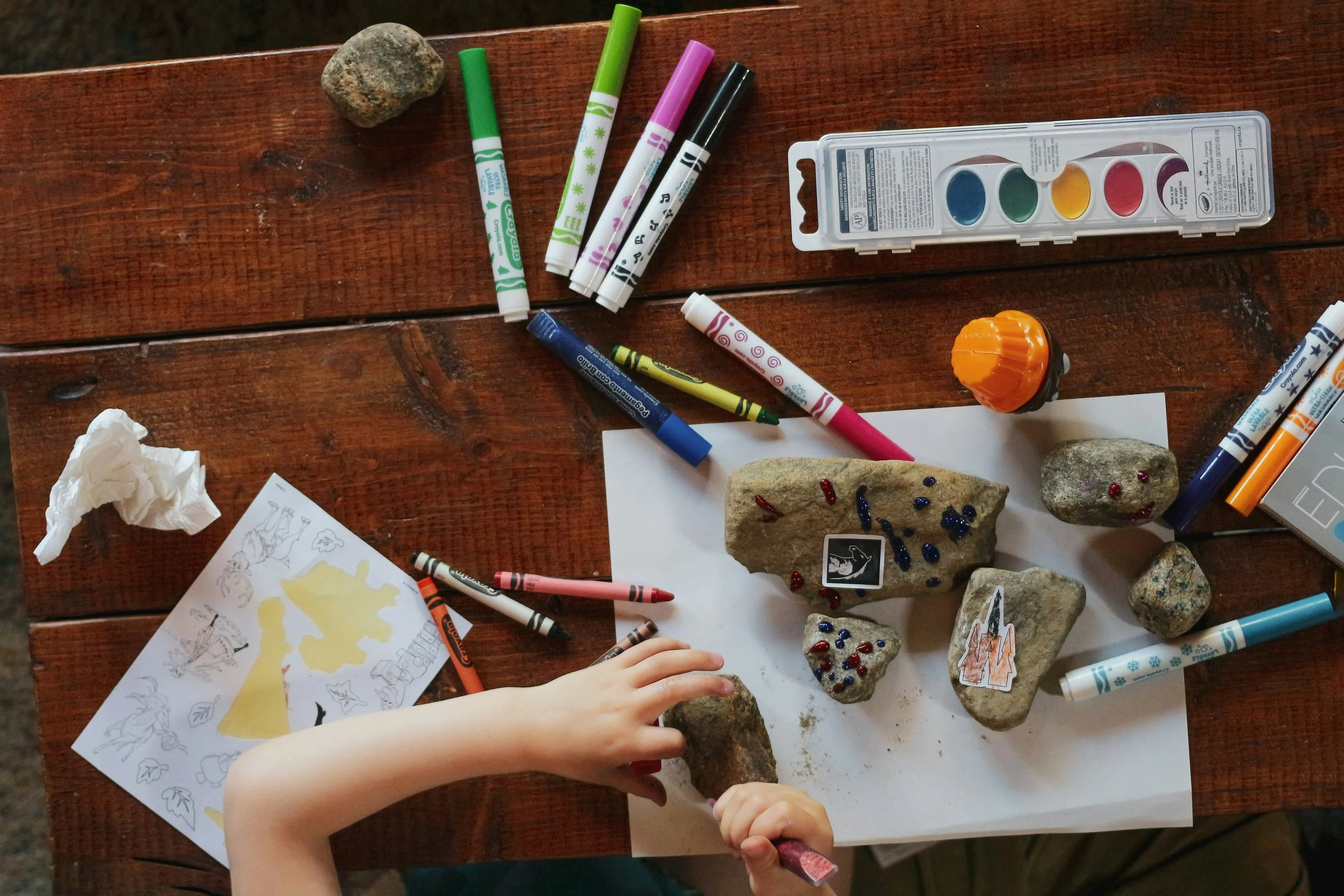
Children don’t always have the words to explain what they’re feeling; but they do have the ability to express themselves through play.
Child-Centered Play Therapy (CCPT) is a developmentally appropriate, research-supported approach that allows children to process emotions, experiences, and challenges in a safe, supportive environment using toys, creativity, and relationship.
Rather than asking children to sit and talk about their problems, play therapy meets them where they naturally communicate.
Through the therapeutic relationship and carefully selected play materials, children gain:
Emotional regulation skills
Confidence and self-esteem
Problem-solving abilities
Improved behavior and cooperation
Healing from stressful or traumatic experiences
Play is not “just play”. It is how children make sense of their world.
What happens in a play therapy session?
Children participate in sessions in a carefully designed playroom that includes:
Art/craft materials
Pretend play
Sensory materials
Building and creative toys
Emotional expression tools
The therapist follows the child’s lead while providing emotional safety, structure, and attuned support.
Over time, children begin to:
Express feelings more clearly
Develop coping skills
Build confidence
Improved relationships
What concerns can play therapy help with?
Anxiety and worries
Emotional outbursts or meltdowns
Behavioral concerns at home or school
ADHD and regulation difficulties
Social struggles
Family transitions (divorce, moves, new siblings)
Medical stress of developmental challenges
Trauma or stressful experiences
Grief and loss
School avoidance or perfectionism
Parent Involvement
Parents are an important part of the process. We provide:
Parent consultation sessions
Collaboration around strategies at home
Guidance on emotional support and regulation
Progress update and treatment planning
Our goal is to support the entire family system while protecting the child’s therapeutic space.
When will we see changes?
Every child is beautifully unique. Some families notice shifts within a few weeks, while deeper emotional work may take longer. Play therapy focuses on lasting growth rather than quick behavioral fixes.